When you sell, your remaining mortgage gets paid off out of the sale proceeds at closing. The title company orders a payoff letter from your lender, wires that amount straight to them, and sends you whatever's left after closing costs. So yes, you can sell a house before it's paid off. Most people do.
But there are a few situations where it's more complicated, and knowing them in advance saves you from an unpleasant surprise on closing day.
How the Payoff Works at Closing
About two weeks before your closing date, the title company asks your lender for a payoff statement. This is a document that shows the exact amount needed to pay off your loan as of a specific date, including any accrued interest up to that point. Mortgage interest accrues daily, so the payoff amount changes by day, and closing agents account for this.
The title company or closing attorney collects the funds from the buyer (or the buyer's lender), pays your mortgage off directly, and then distributes whatever remains to you. You'll see this broken out clearly on your closing disclosure, which you'll receive a few days before closing.
What If You Owe More Than the Sale Price
This situation is called being underwater, and it means your mortgage balance is higher than what you're selling the home for. It happened to a lot of Florida homeowners during the 2008-2012 period and can happen today in neighborhoods that saw rapid appreciation followed by correction.
If you're in this position, you have a few options. You can bring cash to closing to cover the difference if you have the funds. You can request a short sale, where the lender agrees to accept less than what's owed, though this has credit and tax implications. Or you can delay selling until the market recovers.
Before you list, it's worth understanding your home's equity position clearly. Our post on the risks of borrowing against home equity covers how equity works and why protecting it matters before you make major financial moves.
Selling With a Prepayment Penalty
Most modern mortgages don't carry prepayment penalties, but some do, particularly older loans or certain portfolio loan products. A prepayment penalty means you're charged a fee if you pay off the loan early, which includes paying it off through a sale. Check your original loan documents or call your lender and ask directly. If a penalty exists, your closing disclosure will include it.
Selling and buying at the same time?
Sequencing a sale and a purchase requires coordinated timing. We map out the full plan so you're not caught without a home or holding two mortgages.
Plan My Next PurchaseUsing Equity From the Sale to Buy Again
Many sellers are also buyers. They're selling one property and purchasing another, often at the same time or in sequence. The equity from your sale can serve as the down payment on your next home. Timing this correctly matters a lot, especially if you're buying in a competitive market and need to make a strong offer before your current home closes.
This is where talking to a lender before you list makes a real difference. We can map out the sequence and show you how to bridge the gap if needed. The process of getting pre-approved before your house sells is covered in our post on pre-approval for sellers buying their next home. At 14 Days To Close, our process is built around keeping your timeline tight. We've closed loans in as few as 5 days when the file is clean and the buyer is ready.
Questions Sellers Ask About Their Mortgage
How does a mortgage payoff work when you sell a house?
Your title company requests a payoff statement from your lender showing the exact balance plus interest through your closing date. At closing, that amount comes out of the sale proceeds and gets wired straight to the lender. You never write the check yourself.
What happens to your mortgage when you sell your house?
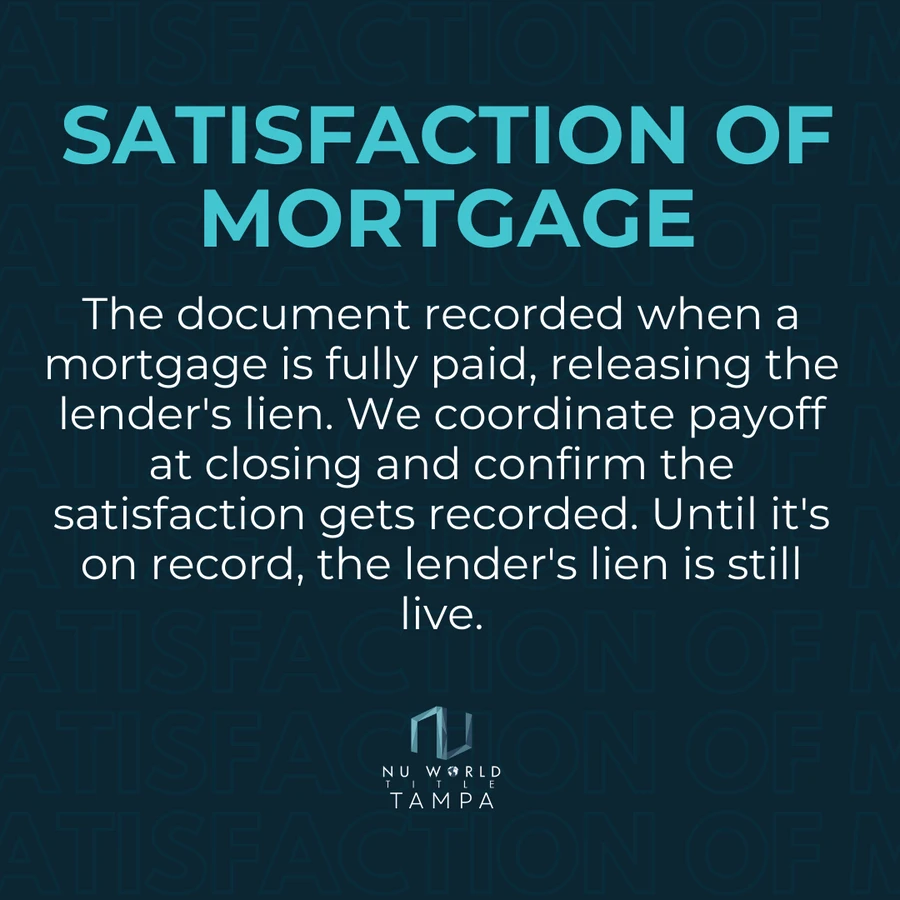
It gets paid off and closed out. The buyer's funds go to the title company, the title company pays your lender, and your lender releases its lien on the property. Your loan doesn't move to the buyer unless it's assumable and the buyer formally takes it over.
Can you sell a house before paying it off?
Yes, and most sellers do. You don't need to own a home free and clear to sell it. The only catch is owing more than the sale price, in which case you'll bring cash to closing or work out a short sale with your lender.
How much will I walk away with if I sell a house with a mortgage?
Start with the sale price, subtract your payoff amount, then subtract closing costs like commissions and title fees. What's left is your net. Our home sale calculator runs that math for you.
Is my mortgage payoff amount the same as my loan balance?
Usually not. The payoff includes interest that's built up since your last payment, plus any fees, so it runs a little higher than the balance on your statement. That's why the title company gets an official payoff letter dated to your closing day.
Individual results may vary. Closing timelines depend on factors including appraisal, title, inspection, and borrower circumstances. 14 Days To Close does not guarantee a specific closing date.