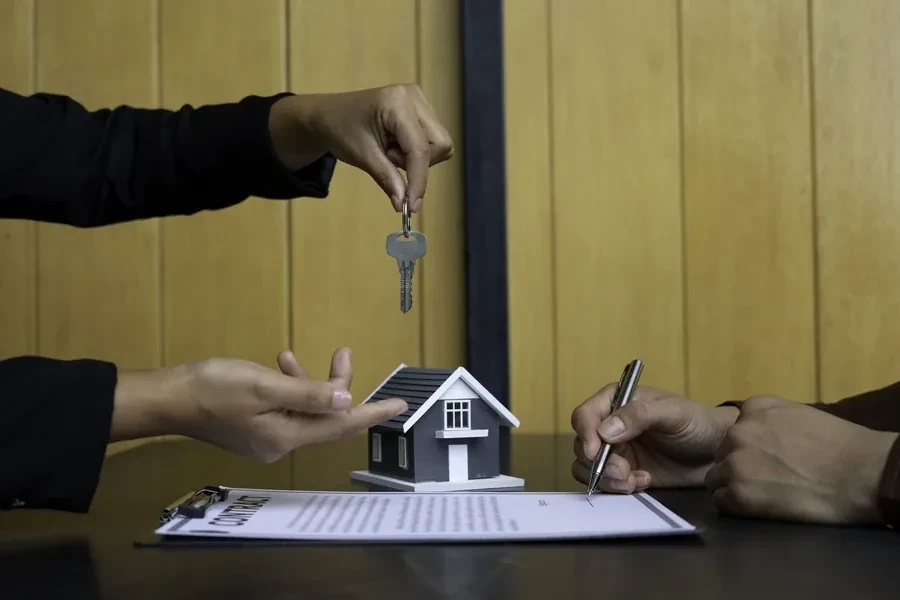
You signed a contract with a closing date on it. Your lender gave you a timeline. Your agent gave you a different one. Somewhere in there is the real answer, and it depends less on the calendar than on how fast four separate parties do their jobs.
The industry average is 30 to 45 days. We've built our process to beat that, and it's worth understanding why the gap exists before you accept a long timeline as normal.
What "Closing" Is Made Of
Closing isn't one event. It's four tracks running at the same time, and the slowest one sets your date.
The loan track is underwriting: verifying income, assets, credit, and the property, then issuing conditions and clearing them. The property track is the appraisal, which has to be ordered, scheduled, completed, and reviewed. The title track is the search, the lien work, and the title commitment. The insurance track is your homeowners policy, which in Florida is its own small project.
Any one of those can be finished in days. All four finishing in days takes coordination, and that coordination is the actual product a good lender sells you. Our walkthrough of how long underwriting takes covers the loan track in detail.
Where Florida Files Slow Down
Insurance is the one that catches buyers off guard. You need a bound policy before you can close, and in some markets that means shopping carriers, ordering a wind mitigation or four-point inspection, and waiting on an underwriter who has never met you. Start it the week you go under contract, not the week before closing.
Condos add a second layer. The lender has to review the association's budget, reserves, insurance, and litigation status, and none of that paperwork is under your control. A responsive management company turns it around quickly. A slow one can hold an otherwise clean file for weeks.
HOA estoppel letters, permit history on an addition, and a roof that raises questions during the appraisal all land in the same category: small items that nobody thinks about until they're the only thing left.
What Makes a File Fast
Fast closings look boring from the inside. The borrower sends documents the day they're asked for. The pre-approval was a real underwriting review instead of a quick calculator run. The appraisal gets ordered immediately rather than after the inspection period. Nobody opens a credit card in the middle.
That last one matters more than people expect. A new account, a large deposit you can't source, or a job change mid-process sends your file back through review. Our list of common loan delays and red flags is basically a list of avoidable ones.
The other half is the lender. A file that gets underwritten in-house moves differently than one that sits in a queue somewhere. That's the difference between a timeline that's promised and a timeline that's controlled.
Working against a closing date?
Tell us the date on your contract. We'll tell you whether it's realistic and what it takes to hit it.
The Milestones You Should Watch
Conditional approval means underwriting has reviewed your file and listed what's still outstanding. It is not the finish line, and buyers celebrate it too early. Clear to close means every condition is satisfied and the file is ready for documents. That's the milestone that matters, and the difference between the two is explained in our post on conditional approval versus clear to close.
After clear to close, you get a closing disclosure with a mandatory review window before you sign. That window is federal, it protects you, and no lender can waive it to save a day. Plan around it instead of hoping it disappears.
Can You Close Faster Than Average?
Yes, when the file cooperates. We've closed loans in as few as 5 days. That's a documented result, not a promise we can make on your file before we've seen it, because the appraiser, the title company, the insurance carrier, and the seller all have a vote.
What we can tell you is where your file actually stands and what the realistic date is, which is more useful than an optimistic one. If you're buying in a market where sellers are choosing between offers, a shorter, credible timeline is leverage. See how fast we move and what it takes on the buyer side, or read our breakdown of whether you can really close in 14 days.
Common Questions
How long does closing take in Florida compared to other states?
The loan side works the same way everywhere. What stretches Florida timelines is local: homeowners insurance, condo association reviews, and wind or roof documentation on older properties.
What's the longest part of the process?
Usually whichever item got started last. Underwriting gets blamed most often, but appraisals, insurance binders, and association paperwork are the ones that sit idle while everyone waits on someone else.
Does a cash offer really close faster?
It skips the loan track, so yes. It doesn't skip title work or insurance. A financed buyer with a clean file and a lender that moves can get close enough that sellers stop treating cash as automatic.
Can my closing date be moved up?
Sometimes, if every party agrees and the remaining items are done. It's easier to protect the date you have than to pull it forward, so treat early document requests as urgent.
If you've been quoted a timeline that doesn't work for your contract, get a second read before you accept it. Book a call or give us a call and we'll walk your file and your date.
Individual results may vary. Closing timelines depend on factors including appraisal, title, inspection, and borrower circumstances. 14 Days To Close does not guarantee a specific closing date.