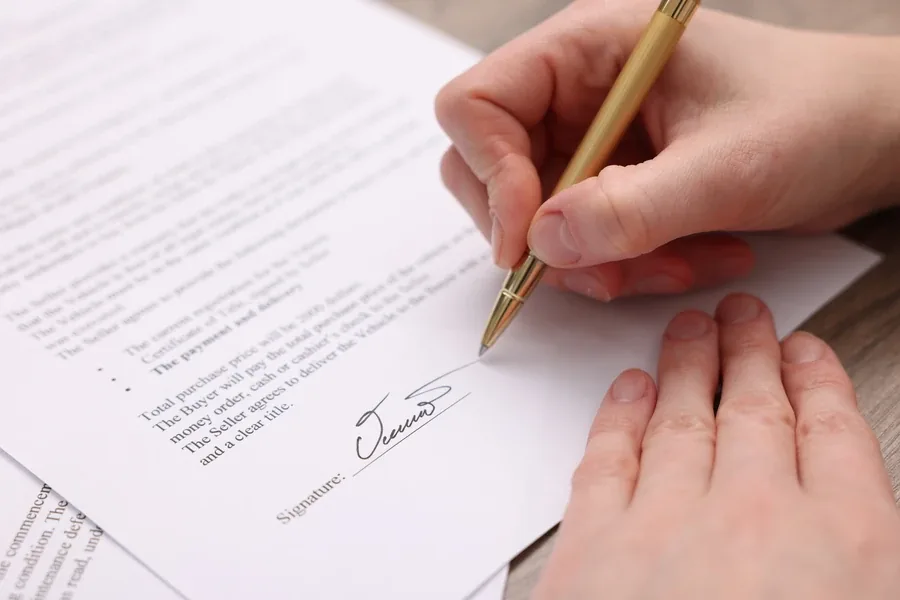
Your offer got accepted. Now go back and read the closing date, because the seller wrote in three weeks and your lender’s intake form says 45 days. That gap is the entire deal. A short closing deadline isn’t automatically a problem, but it does mean the decisions you make in the first 48 hours matter more than anything you do in week three.
Why Florida Sellers Ask for a Short Close
Sellers set tight deadlines for ordinary reasons. They have a closing of their own on the other end. A lease is ending. A relocation date is fixed and the moving truck is already booked. And when a seller is choosing between several offers, the closing date is one of the few terms they can compare directly against price, so a buyer who can be done in three weeks starts competing with a buyer offering more money and six weeks. Florida adds its own version of this: seasonal moves, snowbird timelines, and out-of-state sellers who want the property gone before the next insurance renewal lands.
None of that is hostile. It just means the date is real to them, and you should treat it as real too.
The First Call to Make
Before you counter, before you celebrate, ask your loan officer one question: can you clear to close by this date, and what has to be true for that to happen? Listen to the shape of the answer. A straight answer is specific. It names the appraisal, the title work, the documents you still owe, and roughly what day each one is expected. A soft answer sounds like “we’ll do our best,” which is what people say when they haven’t looked. Our breakdown of what a quick close mortgage takes covers what the lender side of that answer should sound like.
What Makes a File Move Fast
Speed comes from ordinary things done early. The pattern behind almost every fast closing looks the same:
- The full document package goes in up front, not after underwriting asks twice
- The appraisal gets ordered the day the contract is signed
- Title is opened immediately so lien and payoff issues surface early
- The homeowners insurance binder is quoted and bound before it becomes the last thing anyone is waiting on
- The borrower answers conditions the same day they arrive
That last one is the one buyers control completely, and it’s the one that sinks the most deadlines. A file can sit for four days waiting on a bank statement nobody thought was urgent. If you want to see how far this can be pushed when the pieces line up, we’ve written about closing in 14 days and what has to be true for it.
Where Short Deadlines Break Down
The delays that kill a tight close are rarely the loan itself. Appraisal scheduling is the usual first hurdle, especially in a busy market or on a property that needs an interior inspection with a tenant in place. Title work runs into an old lien, a name mismatch, or a payoff nobody can get on the phone. Condo purchases wait on the association for documents and an estoppel letter, and associations move at their own pace. And in Florida, insurance is its own event: a roof age question or a wind mitigation report can hold up a binder that everything else depends on.
Most of these can be started on day one. Almost none of them can be rushed on day fifteen.
Got a date and no idea if it's realistic?
Send us the contract and your income picture. We'll tell you today whether the date works and exactly what would have to happen.
What to Sort Out Before You Sign
The closing date isn’t the only date in the contract. Your financing period, your inspection window, and any appraisal-related terms all have their own deadlines, and they interact. Some contracts also spell out what happens if the closing slips: a short extension, a daily charge to the buyer, or the seller’s right to walk. Those terms are your agent’s and your real estate attorney’s territory, not your lender’s, so ask them what your specific contract says before you sign it rather than after you need to know. What you should bring to that conversation is a realistic date from your loan officer, which is the whole reason to make that call first.
If Your Current Lender Can’t Hit the Date
Sometimes you ask the question and the answer is no, or the answer is yes and then week two goes quiet. You have more room than you think. Changing lenders after you’re under contract is allowed, it doesn’t reset your contract, and it happens more often than people expect. It does restart the loan file, so the value of moving early is enormous. We covered the mechanics in switching mortgage lenders before closing, and what to do when a lender backs out before closing.
The signal to watch for is silence. A lender who is going to make a tight date tells you where the file is without being asked. A lender who has stopped answering has usually already missed something.
Questions Florida Buyers Ask
Can a mortgage close in three weeks in Florida?
Often, yes. A clean file with a scheduled appraisal, clear title, and a borrower who returns documents the same day can move that fast. The date is reachable when everyone treats it as the plan from day one instead of finding out about it in week two.
What happens if I miss the closing date in my contract?
It depends on what the contract says. Some agreements allow a short extension, some charge the buyer a daily amount for the delay, and some let the seller walk. Ask your agent or real estate attorney what your specific contract does before you assume there’s a grace period.
Can I switch lenders after I’m already under contract?
Yes. You’re not married to the lender who pre-approved you, and changing lenders doesn’t restart your contract. It does restart the loan file, so the sooner you make the call, the more room the new lender has to hit your date.
If your bank, credit union, or online lender couldn’t deliver, or if you’re still shopping and want a straight answer, we’ve closed loans in as few as 5 days. No runaround. See how fast we move or give us a call.
Individual results may vary. Closing timelines depend on factors including appraisal, title, inspection, and borrower circumstances. 14 Days To Close does not guarantee a specific closing date.