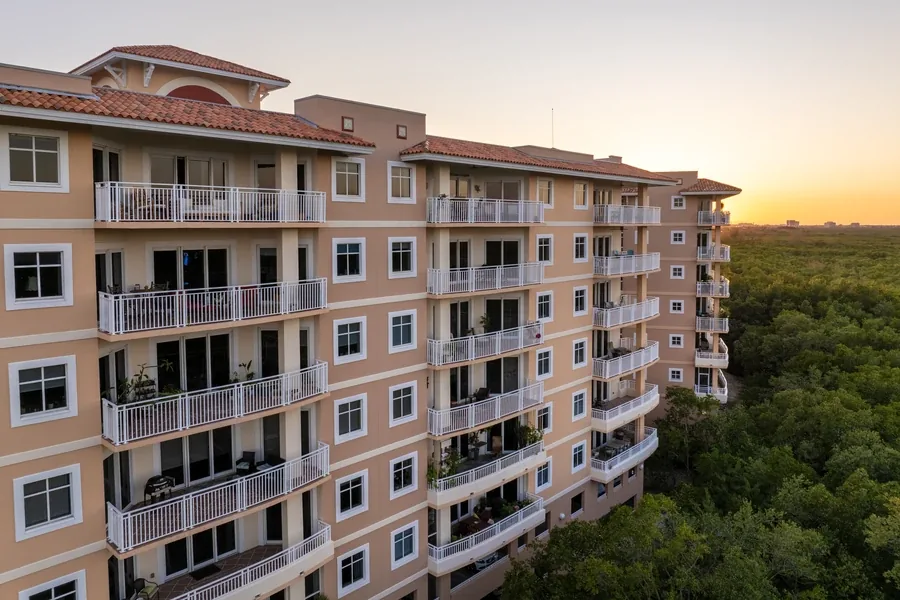
Same condo. Same beach. Same price. Call it a second home or call it an investment property, and the rate, the down payment, the documentation, and what you're legally allowed to do with the keys all change. Buyers love the second-home box because it's cheaper. Lenders have a set of occupancy rules that decide if you're allowed to check it, and checking it wrong is a bigger problem than a worse rate.
How Lenders Define a Second Home
A second home is a place you live in part of the year. You control it year-round, you keep it available for your own use, and no property manager or rental contract decides when you can show up. Lenders generally expect it to be a single unit and a reasonable distance from your primary residence, because a "vacation home" a few blocks from your house looks like a rental with a nicer label. Florida makes the distance test easy for out-of-state buyers and harder for locals: a Tampa homeowner buying a Clearwater Beach condo may get questions a Chicago buyer never hears. Our guide to financing a vacation home in Florida covers the loan side in more depth.
How Lenders Define an Investment Property
An investment property is one you don't intend to occupy. You buy it to rent, long-term or short-term, and the lender underwrites it as a business asset. That means a larger down payment, a higher rate, and often a look at the property's rental income alongside your own. Multi-unit buildings can't be financed as second homes, so if you won't live there yourself, they're investment properties by default. The upside is that the lender expects you to rent it, so there's no rule you can break by doing exactly that. Investment property mortgages in Florida walks through the programs.
Why the Second-Home Box Is Cheaper
Lenders price risk, and their data says people protect the home they vacation in more fiercely than the one a tenant lives in. When money gets tight, a rental is the first mortgage to slip. So second homes get pricing closer to a primary residence and a lower down payment requirement, while investment properties carry pricing adjustments and stricter reserve requirements. That gap is real money every month, which is exactly why people are tempted to stretch the definition.
Can You Rent a Second Home at All?
A little, usually. Occasional rental while you're not using the home is generally tolerated, as long as you occupy it for part of the year, keep it available for yourself, and didn't use rental income to qualify. The line lenders draw is about intent and control. If the property sits on a short-term rental platform most of the year and you visit when there's a gap in the bookings, that isn't a second home. It's a business with a discount loan on it. Planning to rent from the start means you should be shopping investment financing, and our comparison of DSCR vs conventional investment loans is the place to start.
Not sure which occupancy type you are?
Tell us how you plan to use the place. We'll tell you which box you can honestly check and price the loan both ways.
What Happens When You Get It Wrong
Claiming second-home occupancy for a property you rent full-time is occupancy misrepresentation, and lenders treat it as mortgage fraud. The loan can be called due in full. The lender can report it. In serious cases there are consequences well beyond the mortgage. None of that is worth a slightly lower payment. If your plans change after closing, life happens and lenders know it, but the right move is to tell your servicer, not to hope the rental listing never gets cross-referenced with the occupancy affidavit.
The Florida-Specific Details
Florida adds its own layers. Homestead exemption applies only to your primary residence, so neither a second home nor a rental gets the property tax cap, and the tax bill on a non-homestead property can climb faster than you'd expect. Many condo and HOA communities restrict short-term rentals or require minimum lease terms, which can decide the occupancy question for you before the lender does. Insurance is priced differently for a home you occupy part-time versus one you rent, and the lender wants the policy to match the loan. And if you plan to rent to snowbirds seasonally, the income is real but seasonal, which affects how an underwriter counts it. If you want to run the property through an entity instead, read about buying through an LLC first.
Picking the Right Box
Ask yourself what the property is for. If you'll be there regularly, keep it available for yourself, and rent it rarely if at all, it's a second home and you've earned the better pricing. If the plan is income, it's an investment property, and the honest loan is also the one built for what you're doing: DSCR loans qualify on the rent, not your paycheck, and don't care how many properties you already own. Either way, pick the box that matches the plan, and if the plan sits somewhere in the middle, say so and let a loan officer sort it out. When you've decided, see how fast we move.
Questions Florida Buyers Ask
What counts as a second home for a mortgage?
A home you occupy for part of the year, control year-round, and keep available for your own use. Lenders generally expect it to be a reasonable distance from your primary residence and a single unit, and they don't let a property manager or rental agreement dictate when you can be there.
Can I rent out a second home and still get second-home financing?
Limited, occasional rental is usually tolerated as long as you use the home yourself for part of the year and the lender didn't rely on rental income to qualify you. If renting is the plan and you'll rarely be there, it's an investment property.
What happens if I say second home but use it as a rental?
That's occupancy misrepresentation, which lenders treat as mortgage fraud. The loan can be called due, and the consequences can extend beyond the mortgage. If your plans change after closing, talk to your servicer instead of hoping nobody notices.
The cheapest occupancy type is rarely the point. The true one is, and the true one still has a good loan attached to it. If you want both versions priced and a straight answer on which you qualify for, give us a call or see how fast we move.
Individual results may vary. Closing timelines depend on factors including appraisal, title, inspection, and borrower circumstances. 14 Days To Close does not guarantee a specific closing date.