A reverse mortgage lets homeowners aged 62 and older borrow against their home equity without making monthly mortgage payments. The loan balance grows over time as interest accrues, and it becomes due when the homeowner sells the property, moves out, or passes away. Florida's large retiree population makes this one of the most asked-about mortgage products in the state, and also one of the most misrepresented.
How Reverse Mortgages Work
The most common reverse mortgage is the Home Equity Conversion Mortgage (HECM), insured by the FHA. The amount you can borrow depends on your age, the home's appraised value, and current interest rates. Older borrowers, higher-value homes, and lower interest rates all increase the available funds.
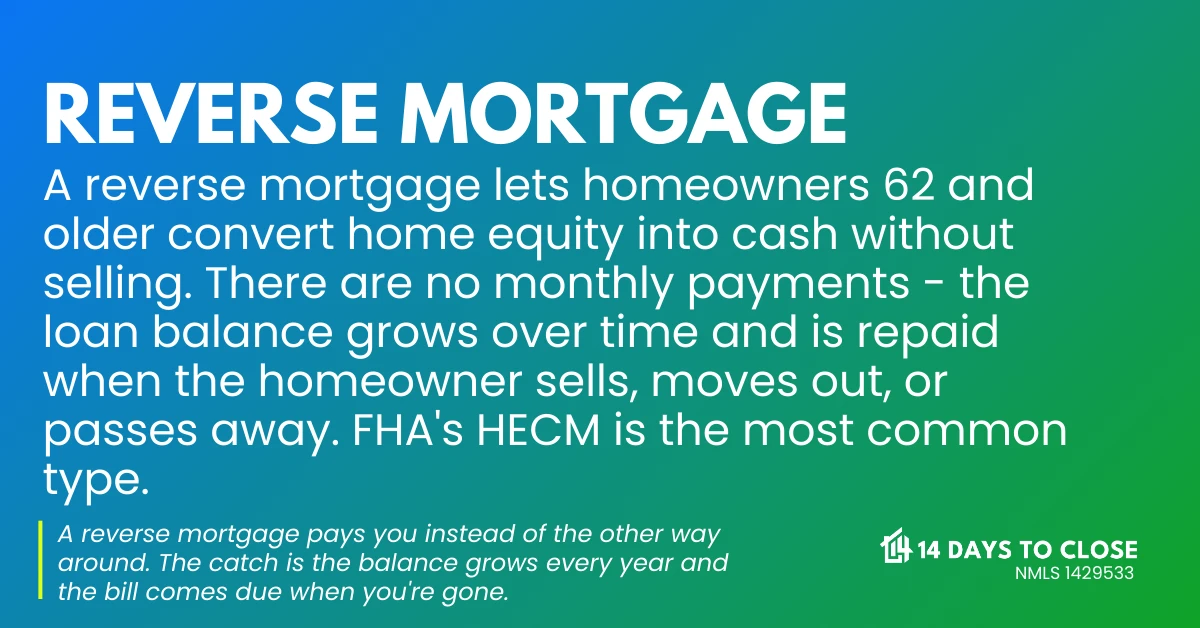
You can receive funds as a lump sum, a monthly payment, a line of credit, or a combination. The lump sum option comes with a fixed interest rate. Other options use an adjustable rate. The line of credit option is often the most flexible: unused credit actually grows over time at the same rate as interest, which isn't something most borrowers expect.
What You Must Keep Paying
A reverse mortgage doesn't eliminate your financial obligations on the property. You must continue paying property taxes, homeowner's insurance, and HOA fees. If those go delinquent, the loan can be called due. That's the most common way reverse mortgages end in default, and it happens more often than the TV commercials suggest.
Maintenance requirements also apply. The property must be maintained in reasonable condition as a condition of the loan. That's not a vague standard: lenders do conduct periodic inspections, and a property in disrepair can trigger a notice of default.
Who Qualifies
To qualify for a HECM: you must be 62 or older, own the property outright or have a small enough mortgage that the reverse mortgage proceeds can pay it off, live in the home as your primary residence, and complete a HUD-approved counseling session. The counseling is mandatory and covers the full implications of the loan before you're allowed to proceed.
If you have a surviving spouse under 62, their ability to remain in the home after the primary borrower passes or moves out depends on whether they're a co-borrower on the loan. Non-borrowing spouses have limited protections under current rules, and this is one of the most common points of confusion in estate planning conversations.
Questions About Equity Options in Florida?
Reverse mortgages are one option. A cash-out refinance or HELOC might work better for your situation. We'll walk through all three and help you compare costs honestly.
Talk to a Loan OfficerThe Costs of a Reverse Mortgage
Reverse mortgages carry upfront costs: a 2 percent mortgage insurance premium on the first $200,000 of the home's value and 0.01 percent above that, plus origination fees of up to 2 percent on the first $200,000 and 1 percent above, capped at $6,000. Appraisal, title, and closing costs add more on top of those figures.
These costs are typically financed into the loan rather than paid out of pocket, but they reduce the equity you can access from the start. Over time, interest accrues on the entire balance, including those financed costs. A borrower who takes out a reverse mortgage and then sells five years later may find that a large portion of the proceeds go to pay off the loan balance.
When a Reverse Mortgage Makes Sense
Reverse mortgages work best for homeowners who are equity-rich, cash-poor, and committed to staying in the home long-term. If you have substantial home equity but limited retirement income, a reverse mortgage line of credit used strategically can reduce portfolio withdrawal pressure during market downturns.
It's generally not appropriate for homeowners who plan to sell or move within the next few years (the upfront costs make short-term use expensive), who want to leave the home unencumbered to heirs, or who have other liquidity options that cost less. A HELOC or cash-out refinance may be a more cost-effective way to access equity depending on your situation.
Florida-Specific Considerations
Florida's homestead exemption continues to apply to a reverse-mortgaged property as long as the borrower lives there as a primary residence. Florida creditors generally can't reach homestead equity, which is an added protection layer worth knowing.
Florida's property tax and insurance environment means the ongoing costs a borrower must maintain are higher here than in many other states. Run the full cost projection with a HECM counselor before committing. At 14 Days To Close, we can walk through reverse mortgage options and connect you with HUD-approved counselors. Give us a call or start at go.14daystoclose.com/apply-now.