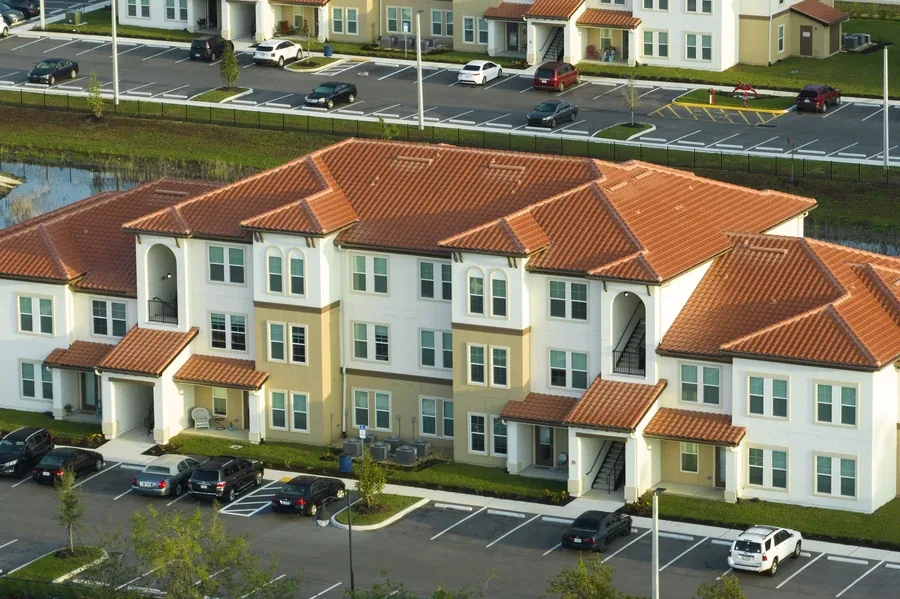
House hacking is the least glamorous name for the smartest move a first-time buyer can make: buy a small multi-unit property, live in one part of it, and rent out the rest so somebody else covers a chunk of your mortgage. Florida is unusually good for this. It's also full of small traps that turn a great plan into an expensive lesson. Here's how it works, and where to be careful.
What House Hacking Means
You buy a property with more than one livable unit, such as a duplex, a triplex, a house with a garage apartment, or a home with a separate in-law suite. You move into one unit as your primary residence. Tenants move into the others and pay rent that offsets your monthly payment. The property still counts as your home, so you finance it like a home, with a primary-residence loan instead of an investor loan. That single detail is what makes the whole thing work.
Why the Financing Is the Whole Trick
Investment property loans demand bigger down payments, higher rates, and stricter reserves. Owner-occupied loans don't. Because you're living there, you can use FHA, VA, or a Conventional loan on a small multi-unit property, with the down payment and rate you'd get on any primary home. FHA is the usual entry point because the down payment is low and the credit guidelines are forgiving. VA works for eligible veterans with no down payment at all. Conventional fits buyers with stronger credit who want to skip FHA mortgage insurance. Our guide to financing a multi-family home in Florida compares the programs side by side.
The other half of the trick is rental income. Lenders can often count a portion of the expected rent from the units you won't live in toward your qualifying income, which means a duplex can qualify you for more house than a single-family home would. The exact treatment depends on the loan program and on what the appraiser's rent schedule or existing leases show. Don't assume the rent counts until your loan officer confirms it does.
The Occupancy Rule
Owner-occupied financing comes with a promise: you'll move in shortly after closing and live there for the period spelled out in your loan documents. That's a legal commitment, not a suggestion. Lenders check. Once the occupancy period ends, you're free to move out, keep the property as a full rental, and go buy your next primary home, which is exactly how a lot of Florida investors built their first portfolio. Our post on investment property mortgages in Florida covers what changes once you're no longer living on site.
Florida-Specific Angles
Tampa's older neighborhoods, like Seminole Heights, Ybor, and parts of St. Pete, are full of bungalows with detached garage apartments and legal duplex conversions. Orlando and Jacksonville have similar pockets near their urban cores. These are house-hacking gold if the extra unit is legally permitted. If it isn't, the appraiser may not count the rent, and the county may not let you rent it at all. Pull the permit history before you write an offer.
Seasonal demand cuts both ways. Snowbirds and traveling nurses create strong winter rental demand across the state, but many cities and HOAs restrict short-term rentals, and condo associations often cap the share of units that can be rented. Insurance is the other big one. A multi-unit policy costs more than a single-family policy, and in coastal counties the premium can reshape your whole budget. Read what Florida's insurance market does to your mortgage before you commit to a number.
Wondering if a duplex qualifies you for more than a single-family home?
We'll run the property, the rent, and your income together and show you the real answer before you make an offer.
Where House Hacking Goes Wrong
Vacancy is the obvious one. If the other unit sits empty, the full payment is yours, so qualify on a payment you could carry alone for a few months. Being a landlord is the quiet one. You're sharing a wall or a driveway with your tenant, which makes late rent and loud parties personal. Overcounting rent is the expensive one. Buyers pencil in a rent the market won't support, or count income from a unit that isn't legal, then find out the lender won't. And skipping the inspection is the fatal one. More units means more kitchens, more water heaters, and more roof to worry about. Get all of it inspected.
The Long Game
The classic Florida house-hack path runs like this: buy a duplex with an owner-occupied loan, live in it through the occupancy period, move out, keep it as a rental, then repeat with the next one. When you're ready to buy purely as an investor, the financing changes, and options like DSCR loans start to matter. Our comparison of DSCR versus Conventional loans for Florida investment properties is the next thing to read once the first one is yours.
Questions Florida Buyers Ask
Can you house hack with an FHA loan in Florida?
Yes. FHA allows small multi-unit properties as long as you live in one unit as your primary residence. It's one of the most common ways Florida buyers get into a duplex or triplex with a low down payment.
Does rental income from the other units help me qualify?
Often, yes. Lenders can count a portion of the expected rent from the units you won't occupy, based on an appraiser's rent analysis or existing leases. The rules differ by loan program, so ask before you count on it.
How long do I have to live in a house-hacked property?
Owner-occupied loans require you to move in shortly after closing and live there for the occupancy period spelled out in your loan documents. After that, you can move out and keep the property as a rental without refinancing.
House hacking rewards buyers who show up with a clean file and a lender who can close before the other offers do. If a duplex in Tampa, Orlando, or Jacksonville is on your list, see how fast we move or give us a call and we'll tell you which loan fits the property.
Individual results may vary. Closing timelines depend on factors including appraisal, title, inspection, and borrower circumstances. 14 Days To Close does not guarantee a specific closing date.