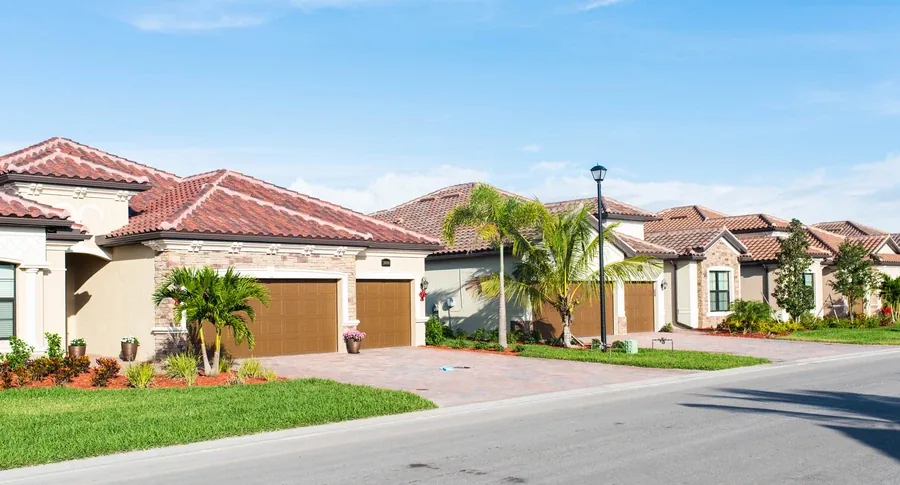
You found the house. Gated entry, community pool, landscaping somebody else mows. The listing price fits your pre-approval and the payment looks fine on the calculator. Then your loan officer adds the HOA dues and the approval you were counting on gets smaller. Nothing about the house changed. The lender's math did. Here's why, and how to shop for it.
The Dues Aren't in Your Mortgage, but They Count
Your mortgage payment covers principal, interest, property taxes, and insurance. HOA dues are a separate bill you pay the association directly, and the lender never touches them. But when an underwriter decides how much you can borrow, they add those dues to your housing payment anyway. The full figure, mortgage plus dues, is what gets measured against your income. So the gated community with the pool doesn't cost you a bigger mortgage. It costs you a bigger qualifying payment, and that's what shrinks the loan. Our debt-to-income guide explains the ratio that does the shrinking.
Why Florida Is Different
Most of the country has HOAs. Florida has layers of them. A newer master-planned community often has a master association, a sub-association for your street, and a Community Development District, or CDD, that shows up on your property tax bill to pay for the roads and amenities the developer built. Condos add an association budget with reserves the state now requires them to fund. Every one of those lines lands in your qualifying payment. A buyer in Wesley Chapel or Lakewood Ranch can carry more in association and district fees than a buyer in an older neighborhood carries in property taxes.
Same Price, Different Approval
Picture a home on a plain suburban street with no association, and another at the same price in a gated community with a clubhouse, a guard, and a CDD. Your income and down payment are identical for both. The lender approves the first one comfortably and comes back on the second with a lower maximum loan, or asks for a bigger down payment, or tells you to look at a cheaper house. The dues did that. If you're shopping across different kinds of communities, get pre-approved with the dues included for each, not with a single generic number. How much house you can afford is a question with a different answer on every street.
Condos Get the Closest Look
Condo dues are usually the highest, because they cover the building's insurance, maintenance, and reserves on top of amenities. After Florida tightened its condo safety and reserve laws, many associations raised dues sharply and some added special assessments to catch up on repairs. Lenders now review the association's finances as carefully as they review yours, and a building with underfunded reserves or pending litigation can be declined regardless of how strong a buyer you are. Read condo financing in Florida before you fall for a unit on the water.
Want your approval run with the dues in?
Send us the listing and the association fee. We'll show you the real qualifying payment and the max price for that community.
Special Assessments and Rising Dues
Lenders qualify you on the dues as they stand today. They don't forecast increases, but you should. A pending special assessment for a roof or a seawall may or may not get counted depending on how it's structured, and either way you'll be paying it. Ask for the last few years of budgets and look at the trend. If dues have climbed every year and the reserve study shows deferred work, the payment you qualify for today isn't the payment you'll have in a few years. Florida's insurance costs push association budgets up the same way they push your own, which we covered in how insurance is reshaping Florida mortgages.
How to Shop With Dues in Mind
Get pre-approved with a realistic monthly dues figure, then ask your loan officer to tell you the break point: how much dues can rise before the approval changes. When you compare listings, compare total monthly cost, not price. A slightly more expensive home with no association can carry a lower payment than a cheaper one in a gated community. And don't skip the amenities you want to save the dues. Just know what they cost you in borrowing power before you commit. Once you've picked the right community, see how fast we move to get you into it.
Questions Florida Buyers Ask
Do HOA fees count toward my debt-to-income ratio?
Yes. Lenders add the monthly HOA dues to your proposed housing payment along with principal, interest, taxes, and insurance, and that full figure is what gets measured against your income.
Are HOA dues included in my mortgage payment?
No. You pay the association directly, and the lender doesn't escrow for them. They still count against your qualifying ratios, which is why identical listing prices can produce different approvals.
Do CDD fees affect mortgage qualification in Florida?
Yes. Community Development District assessments show up on the property tax bill, so lenders fold them into the tax portion of your payment. In newer Florida communities they can be as significant as the HOA dues.
The dues aren't a reason to skip the community you want. They're a number to know before you shop, not after you've written the offer. If you want your approval run with the real payment for a specific listing, give us a call or see how fast we move once you're ready.
Individual results may vary. Closing timelines depend on factors including appraisal, title, inspection, and borrower circumstances. 14 Days To Close does not guarantee a specific closing date.