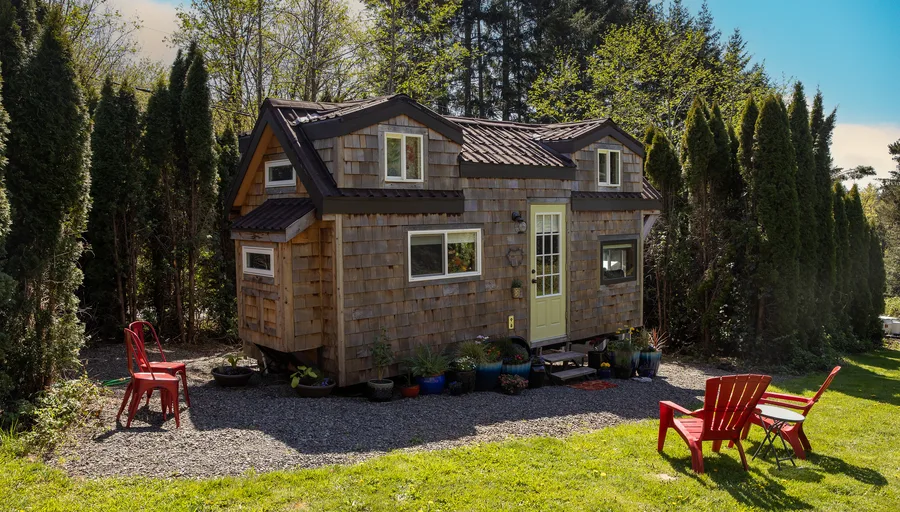
The appeal of tiny homes, converted barns, dome homes, and other non-traditional property types has grown significantly. But the financing hasn't always kept pace. Conventional lenders use comparable sales to appraise properties, and when there are no comps, there's no loan. Here's what's actually financeable and what requires a different approach.
The Core Problem: Appraisal and Comparables
Mortgage lenders require an appraisal, and appraisers rely on comparable sales: similar properties in the area that have sold recently. If your target property is a converted barn in a market where no other barn conversions have sold, the appraiser has nothing to work from.
Without a supportable appraised value, the loan can't be underwritten. This is the wall that stops most non-traditional property purchases through conventional channels. Knowing this upfront lets you plan around it rather than discover it at the last minute.
Tiny Homes: Depends on Classification
Tiny homes fall into two categories for financing purposes: those on permanent foundations and those on wheels (THOWs). Tiny homes on permanent foundations that meet local building codes can sometimes qualify for conventional mortgages. But they need to meet minimum square footage requirements: usually 400 square feet for FHA, and Fannie Mae requires at least one comparable sale of similar size in the area.
Tiny homes on wheels are classified as personal property or RVs, not real property. They don't qualify for mortgage financing. Chattel loans, RV loans, or personal loans are the options, typically at higher rates and shorter terms. If you're committed to a THOW as a primary residence, understand that standard mortgage products won't apply.
Not sure if your target property will qualify?
We can assess the property type and tell you which financing paths are realistic before you make an offer, saving you time and inspection costs.
Talk to a Loan OfficerBarndominiums and Agricultural Conversions
Barndominiums, metal structures built for agricultural use and converted or built as residences, are a major financing challenge. They're popular in rural Florida and Texas but don't fit neatly into residential appraisal categories.
USDA loans, through the Rural Development program, are sometimes used for barndominiums in eligible rural areas, as they have more flexible property guidelines. Some agricultural lenders and portfolio lenders will finance barndominiums. Farm Credit institutions are worth contacting for rural property types. Check our USDA loan guide to see if a rural property location qualifies.
Earth Homes, Dome Homes, and Unique Architecture
Unique structural types, including earth homes, geodesic domes, and shipping container homes, face the same appraiser comp problem. Lenders who hold portfolio loans (rather than selling to Fannie Mae) have the most flexibility here, but they'll still want some form of value support.
In certain markets, enough of a given property type exists for a specialized appraiser to find comps. Dome home communities in Florida are one example.
Log Homes and Non-Standard Construction
Log homes are the most financeable of the non-traditional property types. Fannie Mae and FHA both allow log home financing as long as the property meets standard habitability and condition requirements and comparable sales exist. In areas with log home communities, this is often achievable.
Properties with non-standard construction materials like strawbale, cob, or hempcrete face more resistance from conventional lenders because of durability and resale concerns. A portfolio lender is typically the more realistic path for these.
Alternatives When Conventional Won't Work
Portfolio lenders, private lenders, and seller financing are the most common alternatives for non-traditional properties. Construction-to-permanent loans can work for new non-traditional builds where the plans meet local codes. Land loans for the property purchase, followed by a construction loan when the structure is complete, is another path.
At 14 Days To Close, we can assess your target property type and tell you which financing paths are realistic. The answer varies significantly by property classification, location, and lender. Give us a call or start your pre-approval now.