High interest rates and high demand for homes in Florida can feel overwhelming for buyers on the sidelines. But before you put your search on hold, take a look at what the data actually says about where rates sit historically.
The 50-Year Average Changes the Math
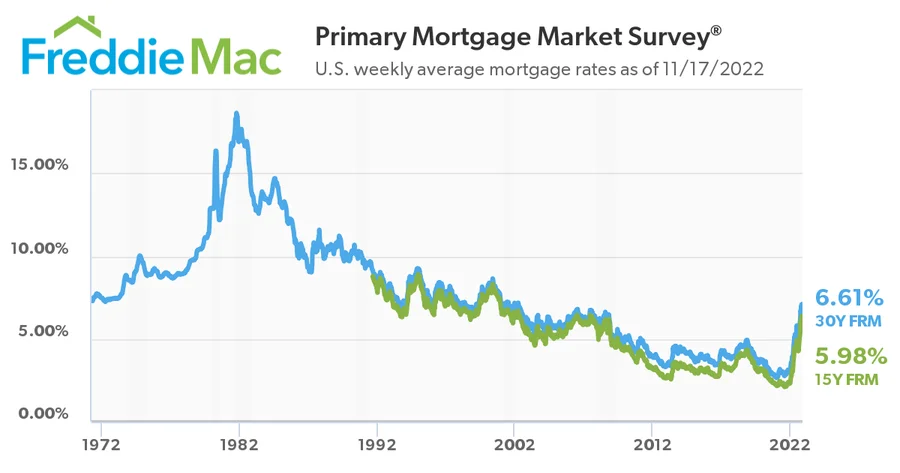
According to data from Freddie Mac, the average interest rate for a 30-year fixed-rate mortgage has been 7.76% since 1971. That's higher than where rates are today. The low rates buyers got used to between 2020 and 2021 were the exception, not the rule. Rates in the 3% range were a product of extraordinary monetary policy during the pandemic, and that window is closed.
When you zoom out to the full historical record, today's rates look a lot more normal. They're not at record lows, but they're well within the range that millions of buyers have financed homes under for decades.
What Today's Rates Actually Mean for Buyers
Today's rates are the cost of a less competitive real estate market. That's actually good news for buyers. When rates were at historic lows, sellers had all the leverage. Homes sold for thousands over asking price, inspections were waived, and bidding wars were standard. That pressure is largely gone.
Buyers now have more room to negotiate. Sellers are more open to concessions, price reductions, and seller-paid closing costs. As home prices gradually adjust, the monthly payment picture starts to look more reasonable than the headline rates suggest. You can learn more about how current FHA loan limits in Florida fit into today's buying environment, and what down payment assistance programs are available that can help close the affordability gap.
The buyers who wait for rates to return to 3% may be waiting indefinitely. The buyers who act in today's market lock in a home at a negotiated price and can refinance when rates shift.