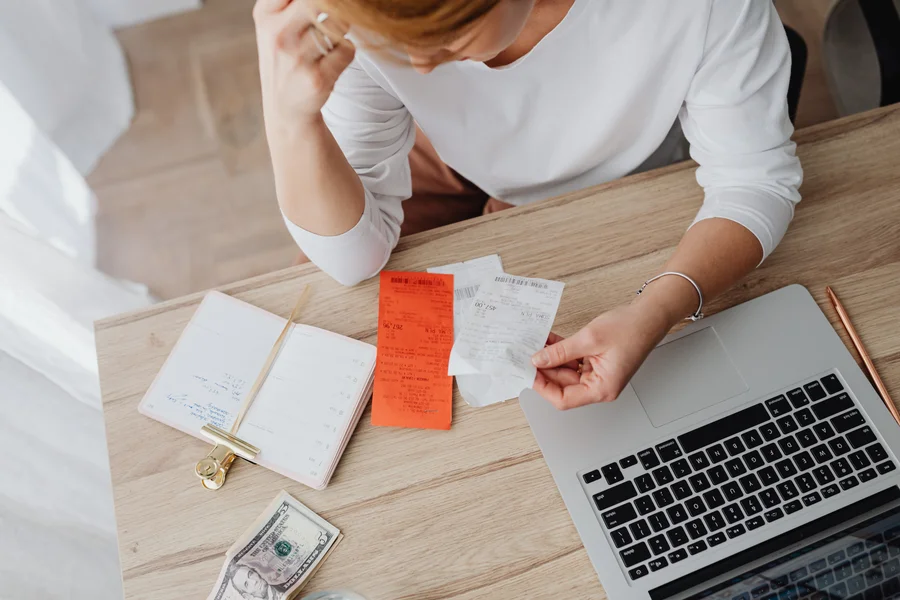
Inflation shapes what you pay for a home, what your mortgage costs, and what it will cost you to wait. Here's what you need to understand before you decide whether now is the right time to buy.
What Is Inflation?
Inflation measures how much prices for goods and services rise over time. It's typically tracked as an annual percentage increase in the Consumer Price Index (CPI), which follows the prices of a basket of everyday household goods and services. As prices rise, each dollar buys less than it did before.
What Causes Inflation?
Several forces push prices higher. When demand for goods and services outpaces supply, prices rise. That often happens in a strong economy when people have more income and are willing to spend it. Higher production costs, including rising labor and material costs, can also feed into higher prices for consumers. And when borrowing costs go up, businesses pass those costs along.
None of these factors exist in isolation. They interact, which is why inflation periods can be difficult to predict and equally difficult to wait out.
How Inflation Affects Homebuyers
Inflation hits homebuyers on multiple fronts at once. Mortgage rates climb because investors demand higher returns when their money is losing purchasing power. That directly affects your monthly payment and how much house you can afford. At the same time, home prices tend to rise with inflation, making the purchase price higher as well.
Closing costs aren't immune either. Title insurance, appraisals, and inspections all cost more when the underlying labor and services cost more. The total cost of buying a home during an inflationary period is higher at almost every line item.
Find Out What You Can Afford Right Now
Get a real pre-approval based on today's rates, not hypothetical future ones.
What Homebuyers Can Do
The most useful thing you can do in an inflationary environment is compare rates. At 14 Days To Close, we pull from multiple lenders to find the most competitive option for your profile. A difference of even a quarter percent can mean thousands of dollars over the life of a loan.
A fixed-rate mortgage protects you from future rate increases. If you lock in your rate today, inflation can push rates higher next year without touching your payment. That's a meaningful hedge, particularly if you're planning to stay in the home for several years.
Building an emergency fund before you buy helps you absorb the higher operating costs that come with inflation, including maintenance, insurance, and taxes. Aim for three to six months of living expenses as a baseline.
Finally, think about your home as an asset. Real estate has historically kept pace with or outpaced inflation over long periods. Owning a home during an inflationary cycle generally means your asset appreciates while a renter's monthly cost also rises, with nothing to show for it. The calculus of renting versus owning shifts considerably when inflation is a sustained factor. You can also see what owning in Florida does to your tax bill, the advantages there are often overlooked.
Inflation makes buying more expensive. It also makes waiting more expensive. Knowing your numbers now, with a real pre-approval in hand, is the only way to make a genuinely informed decision.